
Most people think change starts with motivation.
It doesn’t.
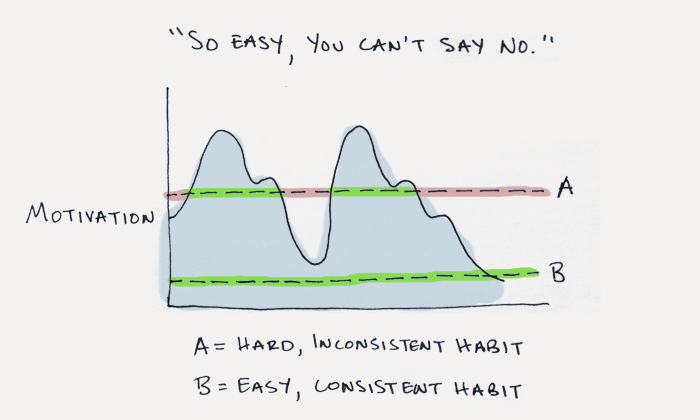
Motivation is unreliable. Some days you feel energised and ready to go. Other days you feel tired, busy, or distracted. If your progress depends on motivation alone, consistency becomes difficult.
Healthy habits, on the other hand, remove the need to constantly rely on motivation.
They create structure.
They reduce decision fatigue.
And over time, they make positive behaviours feel automatic.

What Are Habits Really?
Healthy habits aren’t about perfection or extreme discipline.
They are simply small actions repeated often enough that they become part of your normal routine.
Things like:
-
Going for a walk after dinner
-
Preparing meals in advance
-
Training at the same time each week
-
Stopping when you’ve had enough instead of chasing more

None of these actions are dramatic on their own.
But when repeated consistently, they shape outcomes.
Habits are less about intensity and more about frequency.
Why Building Better Habits Feels Difficult
Many people believe they struggle with habits because they lack willpower.
In reality, habits are difficult because humans naturally default to familiarity. Your brain prefers routines that feel known and predictable, even if they aren’t ideal.
This means building new habits isn’t just about doing something new — it’s about gently replacing old patterns.
That takes patience.
It takes repetition.
And most importantly, it requires realistic expectations.
Trying to overhaul your entire lifestyle at once often leads to burnout. Starting small creates momentum.
Consistency Over Perfection
One of the biggest mistakes people make when trying to build healthy habits is aiming for perfection.
They set ambitious goals, follow them strictly for a short period, and then feel discouraged when life inevitably gets in the way.
The truth is that consistency beats perfection every time.
A habit performed imperfectly but regularly will outperform a perfect routine that only happens occasionally.
Showing up consistently, even when conditions aren’t ideal, is what allows habits to stick.
How Habits Become Automatic
At first, habits require conscious effort.
You have to remind yourself.
You have to think about the decision.
It might even feel uncomfortable.
But repetition changes this.
Over time, the behaviour requires less energy and less thought. What once felt difficult becomes familiar.
This is where real progress happens.
Not in moments of intense motivation, but in quiet repetition.
The Long-Term Power of Small Habits
Many people underestimate how powerful small habits can be.
A single decision might not feel significant in the moment, but repeated over weeks, months, and years, it compounds.
This is why long-term change rarely comes from dramatic actions.
It comes from small, sustainable habits performed consistently.
You don’t need to change everything today.
You just need one small habit — repeated often enough that it becomes part of who you are.
— Max Waldron
P.S. If you’d like more free health and fitness tips check out our other blog articles HERE.
And if you’d like to listen rather than read you can find our podcast HERE.
And if you’d like to schedule a no-pressure chat with me about your health and fitness CLICK HERE.